Conclusion: The Path Forward
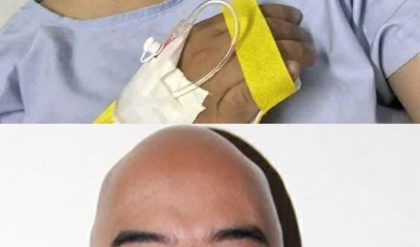
Facing a health challenge that involves the spine, the heart, or any vital system is undeniably frightening. Yet, the narrative of recovery is built on the foundation of courage, the support of a loving community, and the refusal to let a diagnosis extinguish one’s spirit. As we observe those who walk this path with a smile and a “thumbs-up,” we are reminded that while we cannot always control what happens to our bodies, we have total agency over how we respond. The pathway to recovery is paved with patience, love, and the unwavering belief that better days are ahead.
Frequently Asked Questions (FAQs)
How can I support a loved one who is facing a serious health diagnosis? The best support is consistent and non-intrusive. Offer specific help, such as preparing meals or driving to appointments, rather than asking “what can I do?” Most importantly, continue to treat them as the person they have always been, not just as a patient.
What are the best ways to maintain a positive mindset during long-term medical treatment? Focus on short-term, achievable goals. Keep a journal of small victories, stay connected with your social circle, and allow yourself to feel and express your emotions rather than bottling them up. Seeking professional counseling can also provide tools to manage the anxiety associated with medical scans.
How does resilience impact physical recovery? While resilience does not “cure” a disease, it significantly reduces the physiological effects of stress, such as high cortisol levels, which can interfere with the body’s healing processes. A resilient mindset often leads to better adherence to rehabilitation protocols and a more proactive approach to health management.
What should I do if I feel overwhelmed by frightening medical news? Take it one step at a time. Limit your information intake to reputable medical sources and your direct healthcare team to avoid unnecessary panic. Lean on your support system and focus entirely on the immediate next step in your treatment plan.
Is it normal to feel a loss of identity during a health crisis? Absolutely. Many people define themselves by their work or their physical capabilities. When these are sidelined, it is natural to feel lost. Finding new ways to express yourself—through writing, communicating with others, or pursuing low-impact hobbies—can help rebuild a sense of self during recovery.